


 October in your Vegetable garden in Portugal
 Things to do in November in your Veg Garden in Portugal.
 March is a busy time down in the veg patch.
 Things to do in September in your garden in Central Portugal.
 Things to do in the Veg. garden in July and August.
 There are lots of beaches in central Portugal, we have picked out 10 of our favourites. They are a mix
 Óbidos Chocolate Festival takes place around March/April each year.
 One of biggest Motorbike Festivals in Portual
 Preparations for the Festa start early in Tomar.
 In the second of Hey Portugal's series about “Festa dos Tabulerios” in Tomar Sylvia and Peter take a look at
 Meatballs with Endive and Potato Puree
Here a very easy recipe for a typical Dutch dish.
Meatballs with Endive and Potato Puree
Here a very easy recipe for a typical Dutch dish.
 A Greek recipe which is great for serving for a picnic, at a summer BBQ or as a starter.
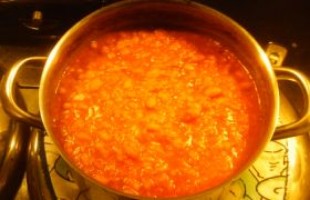 Here is the recipe you have all been waiting for. For all of you who miss tinned baked beans read
 Milk Braised Pork
Great Sunday Lunch or Family gathering.
Milk Braised Pork
Great Sunday Lunch or Family gathering.
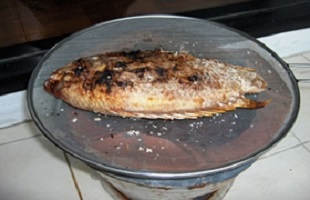 Fish with Pesto Roasted Peppers and Tomatoes
This recipe is simple but very tasty and filling.
Fish with Pesto Roasted Peppers and Tomatoes
This recipe is simple but very tasty and filling.

Olives appear on tables in restaurants and when visiting friends; olive trees can be seen everywhere especially in rural areas and olive oil is used liberally in Portuguese cooking.
Olive Oil (Azeite) - Portuguese olive oil is aromatic, fruity, intensely flavoured and rich in colour. It is also cholesterol free and so a healthy choice for cooking, as long at the temperature is not too hot. You will see a large range of olive oils in every supermarket, ranging in price and of course, quality. Expect to pay €3 - €4 per litre for a good one.
Olive oil is great for salad dressing and adding to dips and sauces. Try it when making bread or pastry, it gives it a great, nutty flavour. In Wendy's Cookbook many recipes contain olive oil.

Olives (Azeitonas) - Cured olives accompany nearly every meal in a traditional Portuguese home. Many are cured from their own olives picked in late autumn or early winter from their olive trees.
You will see olive groves dotting the landscape throughout Central Portugal, which can be anything from 10 hectare fields to a few trees in a family’s garden. Not so many towards the coast, as the temperatures are lower so the olives do not ripen. Oil and cured olives are widely produced throughout Portugal.
Cured olives are normally soaked in water, salt and oregano, or to a special family recipe. Olive picking is a family/village event and you will see large nets layed under trees to catch the fruit as the tree is shaken or branches at cut and picked. Every village has their own way of hand picking olives and their way is always the best ! On a commencial level the trees are planted in rows to enable a tractor to drive between, with a lmachine that resenles a big claw, it grabs the trunk of the tree and shakes it. Not as efficiant has hand picking for each tree but much faster.
The olives are taken to the Olive Presses (Lagars) within 1-2 days of picking, anytime between September and December for grinding and filtering into Olive Oil. Most villages will have a press within a few kilometres. If you are going to get your own olives pressed, unless you take around 300Kilos, your bags will just be swapped for oil that has already pressed from someone else’s olives. If you are only pressing a small amount, it is best to get it done early in the season as the presses sometimes stop when they have pressed enough. Generally you will get back half the oil and the press takes the other half as payment. In lean production years, however, the press may buy your olives if you don’t want the oil yourself.
Warning - do not try to eat them off the tree, they need curing or pressing.